
Short answer
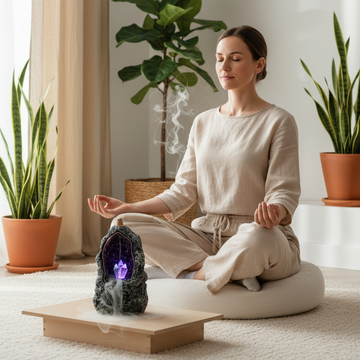
The best meditation posture is stable, relaxed, and upright enough to breathe freely. For most people, that means sitting with hips supported (often slightly elevated), spine long (not rigid), shoulders relaxed, and knees comfortably supported. If floor sitting causes pain, chair meditation with feet flat on the floor is an excellent option.
The real goal of meditation posture
Good posture is not about looking perfect. It’s about two things:
-
Stability (you can stay still without strain)
-
Ease (you can breathe and relax)
If your posture creates pain, it becomes the loudest thing in your attention—so comfort is not optional.
The posture “foundation”: hips, spine, and breath
Most posture problems come from one issue: hips too low.
When hips are low:
-
pelvis tilts backward
-
lower back rounds
-
shoulders collapse
-
breathing feels restricted
When hips are slightly elevated:
-
pelvis moves toward neutral
-
spine stacks more naturally
-
breathing opens up
That’s why cushions, folded blankets, or chair setups often feel instantly better.
Option A: Best floor posture (beginner-friendly)
This is the most common setup for people sitting on the floor.
Step-by-step
-
Sit on a cushion or folded blanket
-
Sit on the front third of the cushion
-
Let knees drop naturally—don’t force them
-
Support knees with a folded towel/blanket if they float
-
Keep spine long and gentle (not military straight)
-
Relax shoulders, soften jaw, unclench hands
What it should feel like
-
stable base
-
natural uprightness
-
no sharp pain in knees/hips
-
breathing feels open
Option B: Chair meditation posture (often the best choice)
Chair meditation is not “less real.” For many people, it’s the most sustainable and pain-free posture.
Chair posture checklist
-
Feet flat on the floor
-
Knees roughly at hip height
-
Sit toward the front half of the chair
-
Spine tall, shoulders relaxed
-
Hands resting on thighs or lap
-
Chin slightly tucked (neutral neck)
If you slump easily: place a small cushion behind your lower back or use a seat wedge to tilt the pelvis forward slightly.
Option C: Kneeling posture (seiza) without ankle pain
Kneeling can feel stable and upright, but ankles often complain.
How to make it comfortable
-
Use a kneeling cushion/bench support
-
Place a mat under shins/ankles
-
Keep hips supported so you’re not compressing ankles
This posture is great if cross-legged sitting feels tight.
How to prevent numb legs (common problem)
Numbness usually comes from pressure + stillness.
Fixes:
-
elevate hips (reduces pressure points)
-
add a mat under legs
-
support knees
-
change posture mid-session without guilt
-
shorten sessions until your body adapts
If you’re new, 5–10 minutes is enough to build consistency.
Common posture mistakes (and quick corrections)
Mistake: forcing lotus
Fix: choose a posture you can hold calmly
Mistake: sitting too far back on the cushion
Fix: move to the front third to help pelvic tilt
Mistake: over-arching the lower back
Fix: soften ribs down; think “stacked” not “puffed”
Mistake: shoulders creeping up
Fix: exhale and let them melt down
Mistake: pain tolerance mindset
Fix: adjust. Pain is not progress in meditation posture.
A 30-second “posture reset” during meditation
If you feel discomfort:
-
lengthen spine gently
-
relax shoulders
-
soften belly
-
support knees or shift seat slightly
-
return to breath
Small resets keep you steady without breaking your practice.
Internal links (recommended)
-
How a Meditation Cushion Improves Posture (Hip Elevation Explained)
-
Can a Meditation Cushion Help Back Pain? Posture Tips and Best Practices
-
How to Choose the Right Meditation Cushion (Posture, Height, Firmness)
CTA (choose one)
-
Browse Meditation Cushions → https://zensoullab.com/products/zensoullab-ergonomic-meditation-cushion-floor-seat-memory-foam-4-colors
-
Get a Posture Recommendation → https://zensoullab.com/blogs/news/blogs-meditation-best-meditation-posture
FAQ
Should my back be perfectly straight?
No. Aim for a long spine and relaxed shoulders. “Upright” should feel easy, not tense.
Do my knees need to touch the floor?
Not necessarily. Support them with a blanket if they float. Forcing knees down can cause pain.
Is a chair okay for meditation?
Yes. Chair meditation can be the best option for comfort and consistency.