

Short answer
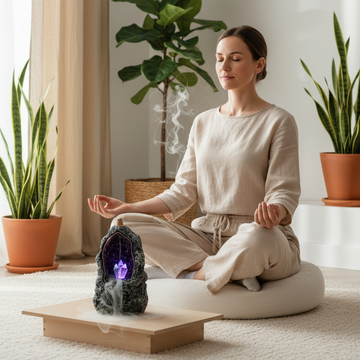
To stay awake during meditation, sit upright (cushion or chair), keep your eyes softly open, meditate earlier in the day, and use an alert anchor like breath counting or slightly longer inhales. Avoid lying down unless it’s a sleep meditation. Shorter, consistent sessions also reduce drowsiness.
Why you get sleepy during meditation (normal reasons)
Sleepiness usually comes from:
-
meditating when you’re genuinely tired
-
lying down or slouching
-
warm, dim environments
-
long sessions beyond your current habit level
-
your nervous system finally relaxing (especially if stressed)
Drowsiness doesn’t mean you’re doing it wrong—it means you need a more alert setup.
1) Change your posture (biggest fix)
If you’re sleepy, posture is step one.
Best alert posture options
-
Chair meditation (feet flat, upright)
-
Cushion posture with hips elevated
-
Kneeling posture (if comfortable)
Avoid for staying awake
-
lying down
-
meditating in bed
-
slumped sofa sitting
A stable spine signals the brain: “stay present.”
2) Try open-eye meditation (gentle, not staring)
Open-eye practice can dramatically reduce sleepiness.
How
-
gaze softly at the floor 1–2m in front
-
relax jaw and shoulders
-
keep attention on breath
-
blink normally
If your eyes feel strained, your gaze is too intense.
3) Meditate at a different time
If you keep falling asleep, your timing might be the real issue.
Best times to stay awake
-
morning
-
mid-day break
-
early evening (before you’re exhausted)
Most sleepy time
-
right after a heavy meal
-
late night (unless your goal is sleep)
If your goal is restful sleep, then falling asleep is fine.
4) Use an “alert anchor” instead of a relaxing one
Some techniques are more calming and can trigger sleepiness.
Try these alert anchors:
-
breath counting (1–10, restart)
-
noting (“thinking,” “hearing,” “warmth,” “tightness”)
-
focus on cool air at the nostrils
-
shorter inhales + steady exhales (not too slow)
Avoid ultra-slow breathing if you’re already drowsy.
5) Shorten sessions (so you build endurance)
Sleepiness often shows up when you sit longer than your current capacity.
Try:
-
5 minutes daily for a week
-
then 8–10 minutes
-
then 12–15 minutes
You build attention stamina the same way you build muscle: gradually.
6) Make your environment slightly more alert
Small changes help:
-
sit in brighter light
-
keep room slightly cooler
-
avoid overly cozy blankets
-
sit away from the bed
If you use incense, keep it subtle and ventilate lightly—heavy scents can feel sleepy for some.
Internal links (recommended)
CTA (choose one)
-
Shop Meditation Essentials → https://zensoullab.com/products/zensoullab-ergonomic-meditation-cushion-floor-seat-memory-foam-4-colors
FAQ
Is it bad to fall asleep during meditation?
Not necessarily. If you’re practicing for sleep, it’s fine. If you’re practicing mindfulness, adjust posture/time.
What if I fall asleep even sitting up?
Try open-eye meditation, shorter sessions, and a brighter/cooler environment. Also check if you’re sleep-deprived.
Does guided meditation make me sleepier?
Often yes. If you want alert practice, choose shorter or more active guidance styles.