
Short answer
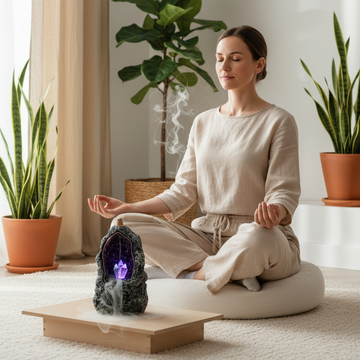
A meditation cushion improves posture by elevating your hips, which helps the pelvis tilt toward a neutral position and makes it easier to sit upright without straining. This reduces slouching, supports natural spinal alignment, and often decreases pressure in the lower back and hips during meditation.
Why posture feels hard on the floor
When you sit directly on the floor, your hips are often lower than your knees. For many bodies, that encourages:
-
pelvis tilting backward
-
lower back rounding
-
shoulders collapsing forward
It’s not a “discipline problem.” It’s a mechanics problem.
A cushion changes the geometry so upright posture becomes easier.
The “hip elevation” mechanism (simple explanation)
A cushion does one powerful thing: it lifts your hips.
When hips are slightly higher:
-
the pelvis can rotate forward more naturally
-
the spine stacks more easily
-
the chest can open without forcing
-
the neck stays neutral with less effort
That’s why many people feel immediate relief the first time they sit on a supportive cushion.
What “good meditation posture” actually means
Good posture in meditation isn’t rigid. It’s:
-
stable
-
relaxed
-
upright enough to breathe freely
A useful mental image: stacked, not stiff.
Posture checklist
-
hips supported
-
spine long (gentle lift through crown of head)
-
shoulders relaxed down and back
-
chin slightly tucked (neutral neck)
-
hands resting comfortably
If you can breathe smoothly and feel stable, you’re doing it right.
The best way to sit on a cushion (most people do this wrong)
Key tip: Sit on the front third of the cushion.
Why it works:
-
it supports the pelvis in a forward-friendly position
-
it reduces slouching
-
it helps knees relax downward
Setup steps (30 seconds)
-
Place cushion on a stable surface (mat helps)
-
Sit near the front edge
-
Let knees drop (do not force)
-
Adjust height if knees float high
-
Relax shoulders and soften jaw
How to tell if your cushion height is helping (or hurting)
Signs it’s right
-
spine feels tall without effort
-
breath feels open
-
hips feel supported
-
you fidget less
Signs it’s too high
-
knees float far up
-
hip joints feel pinched
-
thighs tense
Signs it’s too low
-
back rounds immediately
-
you collapse after a few minutes
The goal isn’t maximum height—it’s neutral comfort.
Add a mat for knees and ankles (highly recommended)
Even with a great cushion, hard floors can create pressure in:
-
knees
-
ankles
-
feet
A zabuton or thick mat under your legs can:
-
reduce numbness
-
improve comfort
-
make posture easier to hold
If you feel “pins and needles,” try adding a mat before changing your whole practice.
Common posture mistakes (and quick fixes)
Mistake: forcing lotus pose
Fix: choose a posture you can maintain calmly
Mistake: arching the lower back aggressively
Fix: soften ribs down, keep spine long, not “puffed”
Mistake: shoulders creeping up
Fix: exhale and let shoulders drop
Mistake: sitting too long too soon
Fix: start 5–10 minutes, build gradually
Internal links (recommended)
-
How to Choose the Right Meditation Cushion (Posture, Height, Firmness)
-
Best Meditation Posture: How to Sit Comfortably Without Pain
-
Can a Meditation Cushion Help Back Pain? Posture Tips and Best Practices
CTA
-
Browse Meditation Cushions → https://zensoullab.com/products/zensoullab-ergonomic-meditation-cushion-floor-seat-memory-foam-4-colors
FAQ
Do I need perfect posture to meditate?
No. Comfort and stability matter more. Posture should support calm breathing, not create tension.
Should my knees touch the floor?
Not necessarily. Knees closer to the floor can feel more stable, but forcing it can create pain. Support knees with props if needed.
Can a cushion fix posture problems instantly?
It can make upright sitting easier right away, but long-term comfort comes from finding the right height, firmness, and posture.