
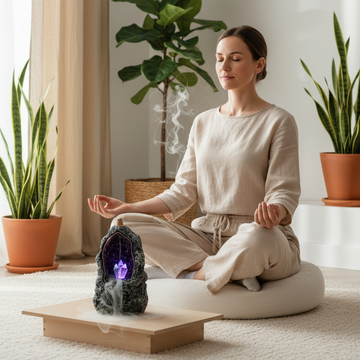

Short answer
A meditation cushion can help some people with back discomfort by elevating the hips and making an upright posture easier to maintain. It doesn’t “treat” medical back pain, but it often reduces strain caused by slouching, especially during seated meditation. If pain persists, switch posture (chair/kneeling) and consider professional guidance.
Note: This is general information, not medical advice. If you have severe or persistent pain, consult a qualified healthcare professional.
Why your back hurts when you meditate (common reasons)
Back discomfort during meditation usually comes from:
-
Pelvis tilting backward (slouch posture)
-
Sitting too long too soon (muscles fatigue)
-
Forcing a posture (like lotus) beyond mobility
-
No support under hips on hard floors
A cushion changes the mechanics by altering the angle of your pelvis.
How a cushion can reduce strain (the “hip lift effect”)
When your hips are slightly elevated:
-
Your pelvis can sit closer to neutral
-
Your spine stacks more naturally
-
You rely less on muscular effort to “hold yourself up”
This often leads to less tension in the lower back during 10–30 minute sessions.
Best practices: how to sit to protect the lower back
Try this 5-point checklist:
-
Sit on the front edge of the cushion
-
Let your knees drop naturally (don’t push)
-
Lengthen the spine (imagine a string lifting your head)
-
Relax the ribs down (don’t arch aggressively)
-
Support the knees if they float (use a folded blanket or mat)
If you still feel pain: what to change first
Most people should adjust in this order:
-
Shorten the session (start 5–10 minutes)
-
Change cushion height/firmness
-
Switch posture (kneeling or chair)
-
Add a supportive prop (zabuton under legs)
A chair meditation posture is not “less real”—it’s often the best choice for back sensitivity.
Chair meditation posture (highly underrated)
If your back complains, try:
-
Feet flat on the floor
-
Sit toward the front half of chair
-
Small cushion wedge under hips (optional)
-
Spine tall, shoulders relaxed
This removes much of the hip/knee limitation and can be more sustainable for daily practice.
Gentle “micro-movement” breaks (better than forcing stillness)
If you meditate 20+ minutes, consider:
-
A 5-second posture reset every few minutes
-
Or split your session: 10 minutes + 1 minute stretch + 10 minutes
Consistency beats forcing.
What kind of cushion is best if your back is sensitive?
-
Medium-firm support (avoid sinking)
-
Stable base
-
Height that reduces slouch without lifting knees too high
-
Consider ergonomic floor seats if traditional shapes still cause fatigue
Internal links (recommended)
-
How to Choose the Right Meditation Cushion (Posture, Height, Firmness)
-
Best Meditation Posture: How to Sit Comfortably Without Pain
-
How Long Should You Meditate? A Practical Guide for Every Level
CTA
FAQ
Should I meditate if my back hurts?
If it’s mild discomfort from posture, adjusting support/posture often helps. If it’s sharp, radiating, or persistent pain, stop and seek professional advice.
Is a higher cushion always better for back pain?
Not always. Too high can strain knees and create tension elsewhere. The goal is neutral pelvis and stable comfort.
What if I can’t sit cross-legged at all?
Use a chair or kneeling setup. Meditation is about awareness, not forcing a specific pose.