
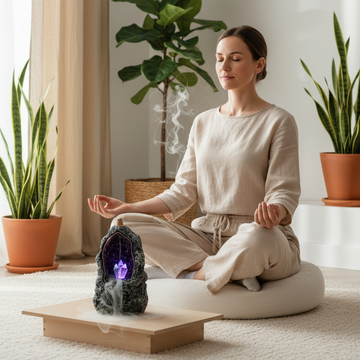
Introduction: Why neck posture during meditation breaks down (and why it’s not “you doing it wrong”)
You sit down with the best intentions: a few minutes of mindfulness practice, maybe a little guided meditation, hoping to reduce stress and feel more like yourself. Then it happens—your head nods forward, your neck collapses, your upper back rounds, and suddenly you’re “folding” into your lap like a wilting flower. You notice it, correct it, and two minutes later… you’re back in the slump.
If this sounds familiar, you’re in good company. Neck posture during meditation is one of the most common hidden challenges people face—especially if you’re meditating after long hours of screens, driving, or stress. The good news is that you don’t need a military-straight spine or superhuman discipline. You need a practical posture reset that works with your body, your nervous system, and your real life.
In this post, we’ll unpack why the head-nod happens, what it’s trying to tell you, and how to build a stable, sustainable seat—so your meditation posture supports anxiety relief, steadier attention, and better sleep, rather than becoming one more thing to “fix.”
The Science/Why: nervous system, cortisol, and the stress response behind slumping while meditating
At first glance, slumping looks like a simple strength or flexibility issue. Sometimes it is—but often, slumping while meditating is also a nervous system story.
When you sit to meditate, your system starts shifting gears. If your day has been intense, your body may still be running a stress response—sympathetic activation—whether you feel “stressed” or not. In that state, cortisol and other stress hormones can keep the body braced, restless, or fatigued. Then when you finally pause, there can be a rebound: your system tries to downshift quickly, and the easiest route is to collapse forward.
There’s also an attentional piece: many people unconsciously “reach” with the head to focus—like leaning toward a screen. Over time, this can create a habitual forward-head pattern that shows up immediately once you close your eyes.
And finally, there’s the simple physics of leverage. Your head is heavy (around 10–12 pounds). When it drifts even slightly forward, the load on the neck increases dramatically. Without solid pelvic support and spinal alignment sitting, your neck ends up doing overtime, and the body chooses the path of least resistance: a forward fold.
Why does this matter? Because posture isn’t about looking “right.” It affects breathing, attention, and how safe the body feels. A collapsed seat can restrict the diaphragm, making breath shallow. Shallow breath can signal the nervous system that things aren’t fully safe—making it harder to reduce stress and access the deeper mental health benefits meditation can offer.
- Forward head + rounded upper back can compress the front of the throat and chest, limiting full breathing.
- Shallow breathing can keep the nervous system subtly activated, reducing relaxation and anxiety relief.
- Inconsistent posture can create fidgeting and frustration, which undermines consistency in your daily routine.
The goal isn’t perfect posture. The goal is a seat that helps your body trust the stillness.
The How-To (Deep Dive): posture reset methods for chin tucking meditation, zafu height, and spinal alignment sitting
Below are four methods you can mix and match. Think of them like a sequence: you set the base, stack the spine, soften the effort, then anchor attention with breath and somatic awareness. This is where neck posture during meditation becomes stable without forcing.
1) Start at the base: set the pelvis so the spine can stack
Your neck is rarely the real starting point. Most collapse begins at the pelvis. If the hips are lower than the knees (or if the pelvis rolls back), the lumbar spine rounds, the ribcage drifts back, and the head compensates forward.
Try this simple base reset:
- Sit on the front third of your cushion or folded blanket.
- Place hands on your hip points (front of pelvis) and gently tip the pelvis forward and back a few times.
- Find the middle where you feel the sitting bones root down and the lower back feels naturally alive—not arched, not tucked.
This is where zafu height (or cushion height) matters. If you’re too low, you’ll fight gravity the entire sit. If you’re too high, you may feel perched and tense. Aim for “grounded and liftable.”
2) Stack the “three domes”: pelvis, ribcage, skull
Here’s a way to organize posture without rigidity. Imagine three domes stacked:
- Pelvic bowl: stable, slightly forward-tilted, heavy and rooted.
- Ribcage dome: floating over the pelvis, not thrust forward or collapsed back.
- Skull dome: balanced like it’s resting on top of the spine—not reaching forward.
Now do a micro-check: can your head float up without your chin jutting? Can your ribs soften down without slumping? This is spinal alignment sitting in real life: less about straightness, more about balance.
If you tend to overcorrect with chin tucking meditation cues, go gently. Too much tuck can strain the front of the throat and create a “clamped” feeling. Try a subtler version: imagine the back of your neck lengthening as if someone is lightly lifting the base of your skull. Your chin naturally levels—without forcing.
3) Use “effortless effort”: 20% tone, 80% release
One reason people fold is fatigue from over-efforting. If your posture requires constant muscular holding, your body will eventually drop. Instead, aim for a steady 20% tone—just enough to stay upright—while releasing unnecessary tension.
- Soften the jaw and let the tongue rest.
- Relax the shoulder blades down the back (not pinned).
- Let the hands rest in your lap like they’re being held by gravity.
- Feel the crown of the head gently rising, like a balloon with very little helium.
This balance supports longer sits and makes guided meditation feel more nourishing—especially when your day has already asked a lot from you.
4) Anchor with breathwork techniques + a body scan to prevent the slow collapse
Even with a good setup, the head-nod can creep in when attention drifts. This is where breathwork techniques and a simple body scan become your posture maintenance system—without turning meditation into posture policing.
Try this posture-supporting sequence:
- Three clearing breaths: inhale through the nose, exhale slowly through the nose or softly parted lips.
- Exhale lengthening: let the exhale be 10–20% longer than the inhale (no strain). This helps downshift the nervous system and can lower stress reactivity over time.
- Mini body scan (30 seconds): notice forehead, jaw, throat, shoulders, chest, belly, pelvis. Each exhale, let one area soften while keeping the spine stacked.
As your breathing deepens, your posture often improves naturally because the ribcage becomes more buoyant. This is one reason meditation can support mental health benefits: you’re training attention and regulating the nervous system at the same time.
Tool Kit: cushions, props, and the comfortable seat that protects your meditation posture
A stable comfortable seat is not a luxury—it’s a functional support for your nervous system. Props don’t “cheat”; they let you practice longer with less strain, which strengthens consistency in your daily routine.
Here’s a grounded toolkit for neck posture during meditation and slumping prevention:
- Meditation cushion (zafu-style or ergonomic): lifts the hips so the spine can stack.
- Folded blanket: under the cushion for extra height, or under knees/ankles for comfort.
- Yoga blocks: under hands to reduce shoulder rounding; or between thighs (rarely) for stability.
- Wall support: sitting with your back a few inches from a wall can give feedback without relying on it.
If you’re looking for a cushion specifically designed to support pelvic tilt and reduce the forward-fold pattern, consider an ergonomic shape that helps you find the “stack” more easily. For example, a ergonomic meditation cushion can make it simpler to set your hips slightly higher than your knees, which often improves spinal alignment sitting and reduces neck strain.
And if you prefer a steadier, resilient base that holds its support over time—especially helpful if you notice fatigue leading to collapse—this supportive meditation cushion can help create a more stable foundation for your meditation posture.
Quick self-test: When you sit, can you breathe low into the belly without slumping? If not, adjust height before you adjust your neck.
Common Obstacles (FAQ Style): common questions about chin tucking meditation and neck collapse
Why does my head nod forward as soon as I close my eyes?
For many people, closing the eyes reduces visual “upright” cues, and the body defaults to its most familiar resting pattern—often forward head from daily screen posture. It can also be mild sleepiness: when the nervous system finally downshifts, the body tries to rest. That doesn’t mean your practice is failing; it means your system is tired.
Try this: open your eyes halfway (soft gaze) for the first 2–3 minutes while you establish the base and breath. Then close fully once your posture feels self-supporting. This can also support better sleep later because you’re training your body to relax without collapsing.
Should I do chin tucking meditation to fix my neck posture during meditation?
A gentle chin level can help, but aggressive tucking often backfires. Think “lengthen the back of the neck” rather than “jam the chin in.” Your head should feel balanced, not pulled. A useful cue is to imagine a small peach under your chin—enough space to breathe and swallow easily.
If you feel throat tightness, jaw clenching, or tension headaches, reduce the tuck and revisit the pelvis and cushion height. Most neck issues improve when the lower spine is organized first.
What if I keep slumping while meditating even with props?
If props are correct and you still slump, it may be a capacity issue rather than a setup issue. Start smaller. Five minutes with great alignment is more effective than twenty minutes of fighting your body. Build consistency first; endurance follows.
- Try shorter sits (5–10 minutes) and add 1 minute every few days.
- Use a brief body scan every 2–3 minutes to reset.
- Add calming breathwork techniques (longer exhale) to support the nervous system and reduce stress.
Also consider context: if you meditate only when you’re exhausted at night, your body may associate sitting still with sleep. That’s not wrong—but it changes the goal of the session. Which leads us to…
Comparison: Chair vs. Cushion, Morning vs. Night, and how each affects anxiety relief and better sleep
There isn’t one best way—there’s the way that supports your body and your life right now. Here are a few practical comparisons:
- Chair meditation vs. floor cushion: A chair can be excellent if hips are tight or knees are sensitive. It often reduces slumping because the pelvis is already elevated. A cushion offers a traditional grounded feel and can deepen the mindfulness practice, but only if your comfortable seat is truly comfortable and your knees can drop below hips.
- Back support vs. free sitting: Light wall feedback can teach stacking and reduce the neck’s workload. Free sitting builds more postural endurance over time. Many people alternate: wall support when tired, free sitting when energized.
- Morning meditation vs. night meditation: Morning tends to support alertness and can set your nervous system tone for the day—helpful for reduce stress and resilience. Night practice can be powerful for downshifting and better sleep, but it may increase head-nodding if you’re already depleted. If you want anxiety relief at night without collapsing, try practicing earlier in the evening or keep eyes slightly open.
What matters most is choosing the approach you can repeat. A modest, repeatable daily routine beats the perfect setup you only use once a month.
Conclusion: a kinder posture reset that supports your mindfulness practice
If your head nods, your neck collapses, or you fold forward in meditation, it’s not a character flaw—and it’s not proof you “can’t meditate.” It’s information. Your body is asking for better foundation, clearer stacking, and a gentler relationship with effort.
Start with the base, adjust zafu height or props until your hips feel supported, then let the spine rise naturally. Use breathwork techniques to calm the stress response and a brief body scan to keep awareness in the body. Over time, this supports not only neck posture during meditation, but also steadier attention, more ease, and the deep mental health benefits people come to meditation for—like anxiety relief, emotional balance, and better sleep.
If you’d like, choose one small experiment for the next week: a 7-minute guided meditation with a posture reset in the first minute. Keep it simple. Keep it honest. Let consistency do what force never can.