

Short answer
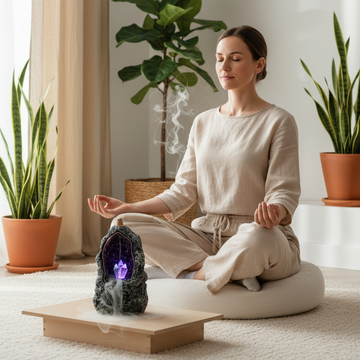
To create a meditation space at home, choose a quiet corner, keep it uncluttered, add a comfortable seat (cushion or chair), use soft lighting, and include one calming cue like a candle, incense, or a small decor object. The best meditation space is not big—it’s consistent, simple, and easy to return to every day.
Why a “space” matters more than a “room”
You don’t need a dedicated meditation room. You need a repeatable setup.
A space works when it:
-
reduces distractions
-
lowers friction to start
-
becomes a habit cue (“this spot = calm”)
Even a 1m² corner can change your consistency dramatically.
Step 1: Choose the right location (the calmest corner you have)
Look for a spot that’s:
-
quieter than the rest of your home
-
not a high-traffic walkway
-
easy to keep tidy
-
away from TV noise and strong drafts
Good options:
-
bedroom corner
-
a small area beside a window (not directly under AC)
-
a living room corner with a screen or plant for separation
If you share a space, create “privacy” with:
-
a small shelf
-
a curtain
-
a plant
-
a folding screen
Step 2: Keep it minimal (clutter is mental noise)
The fastest way to make a space feel calm is to remove visual clutter.
A minimal meditation space usually includes:
-
one seat (cushion or chair)
-
one soft surface (mat/rug)
-
one “anchor object” (optional)
-
one light source
If you add too many items, the space becomes a display instead of a practice area.
Step 3: Pick your seat (comfort supports habit)
Your seat decides whether you meditate tomorrow.
Option A: Meditation cushion (floor practice)
-
helps elevate hips
-
supports upright posture
-
reduces pressure on hips/knees (especially with a mat)
Option B: Chair (most underrated)
-
best for beginners, busy people, or back/knee sensitivity
-
stable, sustainable, easy to repeat
Quick rule: Choose the setup that allows you to sit comfortably for 5–10 minutes without pain.
Step 4: Add soft lighting (calm is partly visual)
Lighting sets your nervous system tone.
Try:
-
warm lamp light
-
indirect light (behind you or to the side)
-
a candle (if safe and supervised)
Avoid harsh overhead lighting if possible—many people find it stimulating.
Step 5: Add one calming cue (ritual without overdoing it)
A cue tells your brain “meditation starts now.”
Choose one:
-
incense (lightly ventilated)
-
a candle
-
a small sculpture or decor object
-
a simple sound (soft bell, timer chime)
One cue is enough. Too many cues become clutter.
Step 6: Make it easy to reset (the “2-minute tidy” system)
Your space stays calm only if it stays easy.
Do this:
-
keep a small basket for accessories (matches, cones, timer)
-
keep the cushion/mat visible and ready
-
decide “everything returns to one place”
If setting up takes 10 minutes, you’ll practice less.
A simple layout you can copy (minimal + aesthetic)
-
mat or rug on the floor
-
cushion centered on the mat
-
small side tray for incense/candle
-
plant or decor object behind/side
-
warm lamp in corner
This layout photographs well (great for social content) and stays functional.
The most important part: connect it to a routine
Your space becomes powerful when it’s linked to a consistent time:
-
after brushing teeth
-
after morning coffee (before phone scrolling)
-
after shower
-
before bed (if you want calm)
If you can’t do a long session, do a 2-minute minimum and keep the habit alive.
Internal links (recommended)
CTA (choose one)
-
Shop Meditation Essentials → https://zensoullab.com/products/zensoullab-ergonomic-meditation-cushion-floor-seat-memory-foam-4-colors
-
Explore Incense Burners → https://zensoullab.com/collections/backflow-incense-burner
FAQ
Do I need a separate room for meditation?
No. A consistent corner is enough. Consistency matters more than size.
What’s the most important item in a meditation space?
A comfortable seat (cushion or chair). Comfort makes daily practice realistic.
Can I use incense in my meditation space?
Yes, if you ventilate lightly and follow safety rules. Keep it subtle.