

Short answer
Most beginners can start with 5–10 minutes per day, 4–7 days a week. Consistency matters more than duration. After 2–4 weeks, many people feel comfortable increasing to 15–20 minutes daily, and 20–30 minutes can be a strong long-term goal if it fits your lifestyle.
The real goal: consistency, not intensity
If meditation feels like another “performance task,” it won’t stick. The best schedule is one you can repeat without dread.
Two truths:
-
Short daily practice beats long occasional practice
-
A routine you can keep is the “best” routine
How often should beginners meditate?
Most people do well with:
-
5 minutes daily (minimum effective habit)
-
Or 10 minutes, 4–5 days/week (if daily feels too much)
The difference between “I tried meditation” and “I meditate” is usually frequency, not talent.
A simple 4-week meditation schedule (beginner-friendly)
Week 1: Build the habit
-
5 minutes/day
-
Focus: breath awareness
-
Goal: show up, no judgment
Week 2: Stabilize attention
-
8–10 minutes/day
-
Add: a gentle body scan (60 seconds)
-
Goal: notice distraction sooner
Week 3: Deepen calm
-
12–15 minutes/day
-
Add: longer exhale breathing or guided meditation
-
Goal: reduce stress reactivity
Week 4: Make it yours
-
15–20 minutes/day
-
Choose a style you enjoy (mindfulness, loving-kindness, body scan)
-
Goal: make it sustainable
If you prefer a simpler model:
10 minutes/day for 30 days is one of the best “starter challenges.”
How long should each session be?
Use this practical guideline:
-
5 minutes = habit building
-
10 minutes = noticeable calm and clarity
-
15–20 minutes = strong daily practice
-
20–30 minutes = deeper training (if comfortable)
If you sit longer but hate it, you won’t continue. Choose the level you can repeat.
Best time of day to meditate (based on your goal)
-
Morning: focus and clarity for the day
-
Midday: stress reset
-
Evening: unwind after work
-
Before bed: sleep support (body scan / yoga nidra)
Pick a time you can protect. Even a consistent “micro-slot” works:
-
After brushing teeth
-
Before coffee
-
After putting your phone on charge
What if you miss a day?
Don’t “make up for it” with a long session. That creates pressure.
Instead:
-
Resume the next day with your normal time
-
If you feel resistance, do a 2-minute minimum session
The habit stays alive.
Signs you should adjust your schedule
Increase time if:
-
You feel comfortable and curious
-
Your posture is stable and pain-free
-
You want deeper focus training
Reduce time if:
-
You feel frustrated or restless every session
-
Your body aches or you dread practice
-
You’re in a very busy season
Meditation should feel like support—not punishment.
How to stay consistent (the “environment hack”)
A stable meditation spot makes you more consistent:
-
Choose a seat you like (cushion or chair)
-
Keep it visible
-
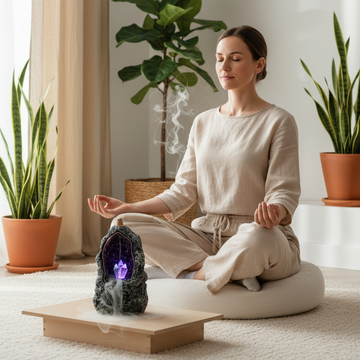
Add a small ritual cue (a candle, incense, or calming object)
Your brain learns: “This place means calm.”
Internal links (recommended)
-
How Long Should You Meditate? A Practical Guide for Every Level
-
Best Time to Meditate: Morning vs Night (and What Actually Matters)
CTA (choose one)
-
Browse Meditation Essentials → https://zensoullab.com/
FAQ
Is 5 minutes of meditation enough?
Yes—especially for beginners. It’s enough to build consistency and feel subtle benefits over time.
Should I meditate every day?
Daily is ideal, but 4–5 days a week can still bring benefits. Choose what you can sustain.
Is it okay to meditate twice a day?
Yes. Two short sessions (e.g., 5–10 minutes) can be easier than one long session.