

Short answer
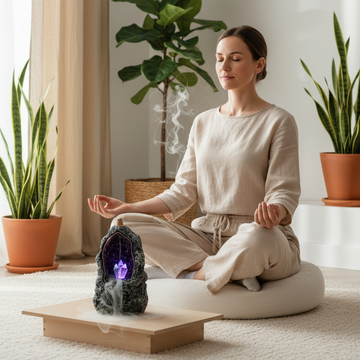
You don’t need a cushion for guided meditation, but it often helps you stay comfortable and alert—especially for 10–30 minute sessions. A cushion elevates the hips, supports posture, and reduces fidgeting, which makes it easier to follow guidance without getting distracted by discomfort.
Why guided meditation feels different from unguided
Guided meditation gives you structure: a voice, prompts, and timing. That can make it easier to start—especially for beginners. But guided sessions also have one challenge:
You’re more likely to stay still longer.
And staying still is exactly when discomfort appears.
So the question isn’t “Is a cushion required?”
It’s “What setup makes it easiest for me to stay present?”
When a cushion helps the most
A cushion is especially helpful if you:
-
do guided sessions longer than 10 minutes
-
notice knee, hip, or lower-back discomfort on the floor
-
fidget often and lose track of the guidance
-
meditate on hard flooring
Even a small lift under the hips can reduce strain and keep you more attentive.
Best posture options for guided meditation (choose what fits your goal)
Option A: Seated on a cushion (best for alert calm)
Best for: focus, mindfulness, breathwork
Why it works: posture stays upright, you’re less likely to fall asleep
Setup tip: sit on the front third of the cushion
Option B: Chair meditation (best for comfort + consistency)
Best for: people with back/knee sensitivity, beginners building habit
Why it works: stable, sustainable, less joint strain
Setup tip: feet flat, sit toward the front half, spine tall
Option C: Lying down (best for sleep or deep relaxation)
Best for: bedtime guided meditation, yoga nidra
Risk: you may fall asleep (which can be okay at night)
Setup tip: put a cushion under knees to relax lower back
Comfort tips that keep you focused (simple but powerful)
Use these small adjustments before pressing play:
-
Choose a timer-free setup
Guided meditations already keep time. Remove “checking the clock.” -
Support your knees
If knees float while seated, place a folded blanket under each knee. -
Relax jaw and shoulders
Tension here is a silent distraction. -
Create one sensory cue
A candle, incense, or a calming object trains your brain: “This is the ritual.” -
Lower expectations
If your mind wanders, you’re not failing. Just return.
What if you keep getting sleepy during guided meditation?
Sleepiness usually means one of these:
-
you’re too relaxed (common at night)
-
posture is too slouched
-
you’re practicing when you’re genuinely exhausted
-
the guidance is soothing and you’re lying down
Try this:
-
sit upright on a cushion or chair
-
practice earlier in the day
-
keep eyes softly open (gaze down)
-
shorten the session
Do cushions improve results?
They can improve the experience—which improves consistency.
And consistency is what produces results.
If a cushion helps you show up more often, it’s absolutely worth it.
Internal links (recommended)
CTA (choose one)
-
Try a Guided Routine → Guided vs Unguided Meditation: Which One Is Better (and When)?
-
Browse Meditation Cushions →Zensoullab Ergonomic Meditation Cushion Floor Seat (Memory Foam) – 4 Colors
FAQ
Can I do guided meditation sitting on my bed?
Yes, but very soft surfaces can make posture slump. If you notice back strain, try a cushion, firmer seat, or chair.
Is lying down okay for guided meditation?
Yes—especially for sleep meditation. If you fall asleep during daytime sessions and want to stay alert, sit instead.
How long should guided meditation be for beginners?
Start with 5–10 minutes. Increase gradually as comfort improves.