
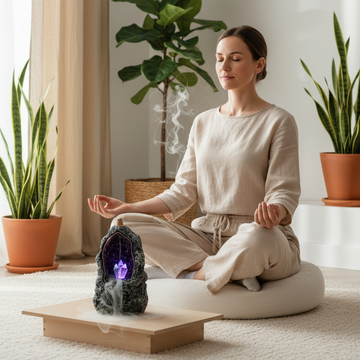

Short answer
Meditation can help reduce stress, improve focus, support emotional regulation, and promote better sleep by training attention and calming the nervous system. Even 5–10 minutes a day can make a noticeable difference over time, especially when practiced consistently.
What meditation actually improves (and why it matters)
Meditation isn’t about “emptying your mind.” It’s a practical skill: learning to notice where your attention goes and gently bringing it back—often to the breath, body sensations, or a sound. Over time, this practice can change how you respond to stress, distractions, and emotions in everyday life.
Think of it like mental strength training:
-
Attention is the muscle you build
-
Awareness is the technique you practice
-
Consistency is what produces results
1) Meditation can reduce stress (and help you recover faster)
Stress isn’t only “in your head.” Your body responds with a cascade of physiological changes: faster heart rate, tense muscles, shallow breathing, and racing thoughts.
Meditation can help by:
-
Encouraging slower, deeper breathing
-
Reducing the urge to react immediately to stressful thoughts
-
Creating a pause between stimulus and response
Real-life examples people notice first:
-
Less “mental noise” at night
-
More patience during conflict
-
Feeling less overwhelmed by tasks
Try this (1 minute):
Inhale 4 seconds → Exhale 6 seconds → repeat 5–6 times.
Longer exhales cue the body toward a calmer state.
2) Meditation improves focus and concentration
Focus isn’t about forcing your mind to stay still. It’s about noticing distraction sooner and returning attention more smoothly.
Over time, meditation can help you:
-
Switch tasks less impulsively
-
Stay present in conversations
-
Work with less “tab-hopping” and mental fatigue
Beginner-friendly focus practice (2–3 minutes):
-
Sit comfortably
-
Notice the breath at the nose or belly
-
When your mind wanders, label it gently: “thinking”
-
Return to breath
This “returning” is the actual training.
3) Meditation supports emotional balance (without suppressing feelings)
Emotional regulation doesn’t mean “never feeling anxious or upset.” It means you can feel emotions without being swept away by them.
Meditation can help you:
-
Recognize emotions earlier (before they escalate)
-
Respond with more choice
-
Reduce rumination and overthinking loops
A simple shift many people feel:
“I still have emotions—but they pass through me more easily.”
4) Meditation can improve sleep quality
Meditation is especially helpful for “busy mind” insomnia—when you’re tired but your thoughts won’t slow down.
How meditation helps sleep:
-
Lowers physiological arousal (less tension, slower breathing)
-
Interrupts repetitive thinking
-
Trains the mind to return to a simple anchor
Best bedtime styles:
-
Breath awareness
-
Body scan
-
Yoga nidra (guided deep relaxation)
If you often fall asleep during meditation, that’s okay—especially at night. Sleep is a valid outcome.
5) Meditation increases self-awareness and clarity
Over time, many people notice:
-
Better understanding of triggers
-
More clarity about what they truly want
-
Less automatic behavior (doom scrolling, stress snacking, reactive messages)
This is the “quiet power” of meditation: it creates space to choose.
6) Meditation may support physical well-being (as part of a lifestyle)
Meditation is not a replacement for medical care, but it can support health by reducing stress and improving habits:
-
More consistent exercise routines
-
Better sleep and recovery
-
Less stress-driven eating
Think of meditation as a “foundation habit” that makes other habits easier.
How long does it take to feel benefits?
Some effects (like calm after a session) can happen immediately. Longer-term benefits typically show with consistency.
A realistic timeline:
-
Day 1–7: you learn how your mind behaves
-
Week 2–4: more comfort, easier returning to breath
-
Month 2+: stronger baseline calm and focus
The key is not “perfect meditation.” It’s repeating the practice.
How to start (simple plan)
-
Week 1: 5 minutes daily
-
Week 2: 8–10 minutes daily
-
Week 3: 12–15 minutes daily
-
Week 4: 15–20 minutes daily
If you miss a day, restart the next day—no guilt.
Make your practice easier with your environment
A calm space reduces friction. Small cues matter:
-
A consistent seat (cushion or chair)
-
Soft lighting
-
A simple ritual (incense, a calming object, a cup of tea)
You’re building a habit, not chasing a mood.
Internal links (recommended)
CTA (choose one)
-
Start a 7-Day Routine → https://zensoullab.com/blogs/news/blogs-meditation-how-to-create-a-meditation-space-at-home
-
Shop Meditation Essentials → https://zensoullab.com/
FAQ
Do I need to meditate for 30 minutes to get benefits?
No. Many people notice improvements with 5–10 minutes a day if they’re consistent.
What if my mind keeps wandering?
That’s normal. Noticing and returning is the practice. Wandering doesn’t mean you’re failing.
Is meditation the same as mindfulness?
Mindfulness is the skill of present awareness. Meditation is a practice that trains mindfulness.