
Short answer
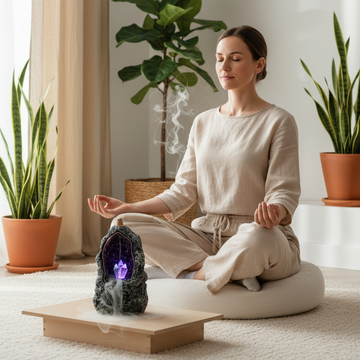
Yes—you can meditate without a cushion. However, many people find it harder to sit comfortably and maintain an upright posture on the floor, especially for longer sessions. If you don’t have a cushion, try a folded blanket, firm pillow, yoga block setup, or a chair to support your hips and reduce knee and back strain.
When meditating without a cushion works well
Meditating without a cushion can be fine if:
-
you sit on a chair comfortably
-
you’re doing short sessions (1–10 minutes)
-
you’re practicing walking meditation or standing meditation
-
you’re doing yoga nidra (lying down)
Meditation is not defined by your seat. It’s defined by attention.
The downside: why floor sitting can be uncomfortable
Sitting directly on the floor often causes:
-
hips lower than knees → pelvis tilts back
-
lower back rounds → fatigue or soreness
-
knees float and strain hips → restlessness
-
ankles and knees press into hard surfaces → numbness
This can make beginners believe they “can’t meditate,” when it’s actually a setup problem.
Best alternatives if you don’t have a cushion
These options mimic what a cushion does: elevate hips and reduce pressure.
1) Folded blanket (best quick fix)
Fold a blanket into a firm stack and sit near the front edge.
-
adds height
-
increases comfort
-
easy to adjust by folding more/less
2) Firm pillow (works, but choose wisely)
Pick a pillow that doesn’t collapse too much.
-
avoid super-soft couch pillows
-
stability matters more than softness
3) Yoga blocks (structured support)
Use blocks under hips or knees depending on posture.
-
great for experimenting
-
helps you find your ideal height
4) Chair meditation (most underrated)
If floor sitting hurts, use a chair:
-
feet flat on the floor
-
sit toward the front half
-
spine tall, shoulders relaxed
-
hands resting gently
Chair meditation is often the best choice for beginners with back or knee sensitivity.
5) Kneeling setup
Use a folded blanket under shins/ankles or a small cushion under hips.
-
reduces ankle pressure
-
keeps spine upright naturally
How to sit without a cushion (if you want to try)
If you choose the floor, do these three things:
-
Elevate hips slightly (blanket/pillow)
-
Support knees if they float (blanket under knees)
-
Sit for shorter sessions until your body adapts
A good target is 5–10 minutes. Comfort first.
Signs you should get a cushion (or change setup)
Consider a cushion if:
-
your legs fall asleep every session
-
your back rounds and aches
-
you can’t stay still for 5 minutes without pain
-
you want to meditate daily and make it effortless
A cushion removes friction, and friction is what kills habits.
Internal links (recommended)
-
Best Meditation Posture: How to Sit Comfortably Without Pain
-
How Long Should You Meditate? A Practical Guide for Every Level
CTA
-
Browse Meditation Cushions → https://zensoullab.com/products/zensoullab-ergonomic-meditation-cushion-floor-seat-memory-foam-4-colors
FAQ
Is meditating on a chair “less effective”?
No. A stable, upright chair posture can be more effective than floor sitting if the floor causes pain or distraction.
Can I meditate lying down?
Yes—especially for sleep meditation or yoga nidra. If you fall asleep unintentionally during daytime practice, try sitting instead.
What’s the best no-cushion alternative?
A folded blanket is the best quick fix because it adds height and stability.