

Short answer
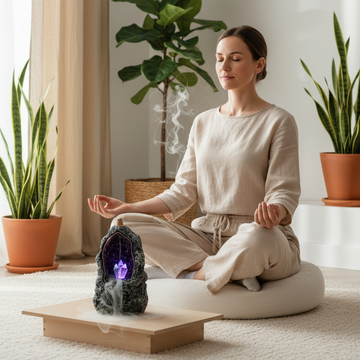
The best meditation cushion for beginners is one that keeps you comfortable and stable: medium-firm support, a height that lifts hips slightly above knees, and a shape that matches your posture. Most beginners do well with a round zafu (for cross-legged sitting) plus an optional floor mat (zabuton) to protect knees and ankles.
Why beginners struggle without the right cushion
Most beginners don’t quit meditation because they “can’t focus.” They quit because:
-
hips feel tight
-
knees ache
-
lower back rounds and gets sore
-
legs go numb
A proper cushion reduces those distractions so you can build consistency. In other words: comfort is your habit-building tool.
What “best for beginners” actually means
A beginner-friendly meditation cushion should help you:
-
sit upright with less effort
-
stay stable without constantly adjusting
-
reduce pressure on joints
-
finish sessions feeling better—not worse
So the “best cushion” isn’t the fanciest one. It’s the one that lets you practice often.
1) Choose the right shape for your posture
Your posture decides the cushion shape—this is the #1 mistake beginners make.
If you sit cross-legged (most common)
Best shape: round cushion (zafu) or ergonomic rounded cushion
Why: lifts hips and helps knees relax down
If you kneel (seiza)
Best shape: rectangular kneeling cushion or bench-style support
Why: reduces pressure on ankles and makes kneeling sustainable
If you sit on a chair
You may not need a meditation cushion. But a slight seat wedge can help tilt the pelvis forward.
2) Get the height right (hips above knees = easier posture)
A simple rule:
-
Hips slightly higher than knees → easier upright spine
-
Hips lower than knees → slouching and lower-back fatigue
Quick test: Sit on the cushion. If your knees are floating high and you feel tension, it may be too tall. If your back rounds immediately, it may be too low.
Beginner sweet spot: a moderate lift that feels supportive without forcing flexibility.
3) Firmness matters more than softness
Beginners often buy cushions that feel like a sofa pillow—too soft.
-
Too soft: you sink, pelvis rolls back, posture collapses
-
Too firm: pressure points distract
-
Best for beginners: medium-firm support with a stable base
If you can sit longer with less fidgeting, firmness is doing its job.
4) Add a mat if your knees or ankles complain
A flat mat (often called a zabuton) can be a game-changer on hard floors:
-
supports knees and ankles
-
reduces numbness
-
makes sitting feel “warm” and protected
If you’re meditating on tile or wood floors, a mat is often the missing piece.
5) Beginner-friendly materials (what feels easiest)
The “best” fill depends on your preference, but here’s a beginner guide:
-
Buckwheat hulls: supportive, adjustable, stable (classic choice)
-
Memory foam: soft-supportive feel, simple, modern comfort
-
Cotton/kapok: lightweight, often softer, may compress over time
For beginners, prioritize support + consistency over luxury.
Beginner recommendations (simple and practical)
These are not brand-specific—just the setups that work for most people:
Option A: Most beginners (cross-legged)
-
Round cushion (zafu) + optional mat
Best if you want a classic meditation setup and stable support.
Option B: Tight hips or desk job
-
Slightly higher, stable cushion + mat
Best if your knees don’t drop easily and your back rounds without support.
Option C: Knee/ankle sensitivity
-
Kneeling cushion or bench support + mat
Best if cross-legged sitting feels painful or unstable.
Option D: You want “effortless posture”
-
Ergonomic structured floor seat
Best if you want more guided support and less posture management.
The 60-second setup tip beginners miss
Sit on the front third of the cushion—not the center.
This small shift helps the pelvis tilt forward naturally and reduces slouching.
Common mistakes (avoid these)
-
Buying a cushion that’s too soft
-
Forcing lotus pose
-
Sitting too long too soon (start 5–10 minutes)
-
Ignoring knee/ankle discomfort (add a mat!)
Internal links (recommended)
-
How to Choose the Right Meditation Cushion (Posture, Height, Firmness)
-
Can You Meditate Without a Cushion? Pros, Cons, and Alternatives
-
Meditation Cushion Materials Guide: Buckwheat vs Foam vs Cotton
CTA (choose one)
-
Browse Meditation Cushions → https://zensoullab.com/products/zensoullab-ergonomic-meditation-cushion-floor-seat-memory-foam-4-colors
-
Get a Recommendation → https://zensoullab.com/products/zensoullab-ergonomic-meditation-cushion-floor-seat-memory-foam-4-colors
FAQ
What cushion is best if I’m a total beginner?
Most beginners do well with a medium-firm round cushion (zafu style) that lifts the hips slightly, plus a mat if the floor is hard.
How long should beginners sit?
Start with 5–10 minutes daily. Comfort and consistency matter more than duration.
Do I need a zabuton?
If you feel knee/ankle pressure or numbness on hard floors, yes—it often improves comfort immediately.