
Short answer
Meditation is not inherently religious. Many forms of meditation are completely secular and focus on attention, breathing, and stress reduction. Some traditions have spiritual roots, but you can practice meditation in a non-religious way by choosing mindfulness, breath awareness, or guided relaxation without religious language.
Why this question matters (and why it’s normal to ask)
People often worry that meditating means adopting a belief system. That concern is common—and valid—because meditation appears in many cultures and spiritual traditions.
The key truth is simple:
Meditation is a method.
A method can be used in spiritual contexts or secular contexts.
Meditation as a mental practice (secular use)
In modern daily life, meditation is often used for:
-
stress relief
-
focus and clarity
-
emotional regulation
-
better sleep routines
-
mindfulness in everyday life
These practices don’t require:
-
prayers
-
worship
-
religious symbols
-
spiritual beliefs
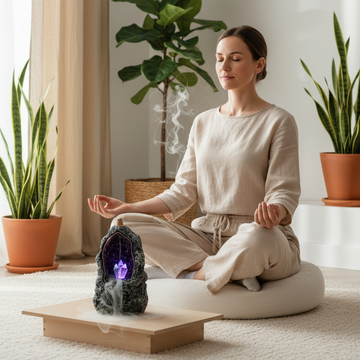
A typical secular meditation is simply paying attention to breath and returning when the mind wanders.
Meditation in spiritual traditions (context, not requirement)
It’s also true that meditation exists in various spiritual paths and cultures. In those contexts, the goals may include:
-
spiritual development
-
contemplation
-
compassion practices
-
connection with a tradition or community
That doesn’t mean meditation “belongs” to one religion. It means many cultures have used stillness and attention training in different ways.
How to meditate without religion (practical tips)
If you want meditation to stay non-religious, choose:
-
mindfulness meditation (breath + awareness)
-
body scan (relaxation)
-
guided stress relief (breathing + calm prompts)
-
open-eye grounding (present-moment focus)
And avoid:
-
religious chanting/mantras you don’t connect with
-
language that makes you uncomfortable
-
teachers or audios that mix in beliefs you don’t share
You’re allowed to personalize your practice.
A simple secular meditation you can try (3 minutes)
-
Sit comfortably (chair or cushion)
-
Notice the breath for 3 breaths
-
When thoughts come, silently label “thinking”
-
Return attention to breath
-
Repeat until 3 minutes ends
No spiritual language needed—just attention training.
If you already have a faith: meditation can still fit
Many people practice meditation alongside their faith as a way to:
-
calm the mind
-
reduce stress
-
improve patience and compassion
-
strengthen presence during daily life
If you want to keep meditation aligned with your beliefs:
-
choose secular breath practices
-
use gratitude or compassionate intention
-
select guided meditations with neutral language
Internal links (recommended)
-
What Is Mindfulness Meditation? A Simple Explanation for Beginners
-
Meditation for Stress Relief: A 5-Minute Practice You Can Do Anywhere
-
Guided vs Unguided Meditation: Which One Is Better (and When)?
CTA (choose one)
-
Shop Meditation Essentials → https://zensoullab.com/collections/backflow-incense-burner
FAQ
Is mindfulness meditation religious?
Not necessarily. Mindfulness is commonly practiced in a secular way focused on attention and awareness.
Do I need to believe in anything to meditate?
No. Meditation can be practiced as a mental skill like training focus.
What if I feel uncomfortable with certain teachings?
Choose a different style or teacher. Meditation should feel supportive and respectful.