

Short answer
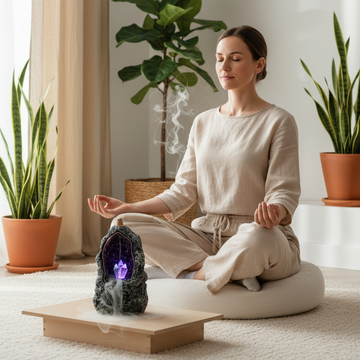
Backflow incense burners are generally safe when used responsibly: place them on a heat-safe surface, keep them away from flammable materials, never leave them unattended, and use them in a well-ventilated room. Choose quality burners (often ceramic) and be extra cautious if you have pets, children, or respiratory sensitivities.
What “safe” means for backflow incense
There are three main safety categories:
-
Fire/heat safety (hot ash + hot surfaces)
-
Air quality (smoke in enclosed spaces)
-
Handling and placement (stability, spills, pets/kids)
A safe setup addresses all three.
1) Materials: what most backflow burners are made of
Many backflow burners are made from ceramic, which is popular because it’s:
-
heat resistant
-
stable and heavy enough not to tip easily
-
easy to clean
Some designs may include resin or mixed materials. Regardless of material:
-
the cone and ash must sit securely
-
the base should feel stable
-
the smoke channels should be smooth and cleanable
Practical safety check:
If a burner wobbles, feels lightweight, or has rough/fragile edges near the cone seat, don’t use it.
2) Ventilation: the most important “hidden” safety rule
Even if you love the scent and the visual effect, incense produces smoke. For most people, the simplest safe rule is:
-
Use in a well-ventilated room
-
Avoid burning in a small closed room for long periods
-
If you feel irritation, stop and ventilate
Good ventilation habits:
-
crack a window slightly
-
burn for shorter durations
-
avoid placing it near your face while meditating
If you’re sensitive to smoke, consider:
-
shorter sessions
-
gentler scents
-
non-smoke rituals (tea, candlelight without fragrance, a visual object)
3) Placement: where to put a backflow burner safely
Place your burner:
-
on a flat, heat-safe surface (ceramic plate or tray helps)
-
away from curtains, paper, and fabrics
-
out of reach of children and pets
-
away from fans and AC vents (also improves the waterfall effect)
Tip: A simple tray also catches residue and makes cleanup easier.
4) Never leave it unattended (non-negotiable)
Backflow cones burn for 20–30 minutes typically, and during that time:
-
ash can fall
-
the cone seat becomes hot
-
a pet can bump it
-
airflow can carry smoke toward flammables
If you need to leave the room, extinguish it first.
5) Pets and children: extra precautions
Pets: some animals have more sensitive respiratory systems and may react strongly to smoke or fragrances.
If you have pets:
-
burn incense less frequently
-
keep the room ventilated
-
ensure pets can leave the space
-
stop if you notice sneezing, coughing, watery eyes, or avoidance
Children: keep burners on high, stable surfaces and never leave unattended.
6) Cleaning residue (also a safety + performance issue)
Backflow burners collect sticky residue over time, which can:
-
block channels (poor waterfall effect)
-
increase odor buildup
-
discolor surfaces
Safe cleaning basics:
-
let the burner cool completely
-
wipe with a soft cloth
-
use mild soap and water if the material allows
-
dry fully before next use
Avoid harsh chemicals—especially inside channels.
Internal links (recommended)
-
How Does a Backflow Incense Burner Work? Airflow, Cones, and Setup
-
Backflow Cones vs Regular Incense: What Works (and What Doesn’t)
CTA (choose one)
-
See Safety Checklist → Are Backflow Incense Burners Safe? Materials, Ventilation, and Best Practices
-
Explore Backflow Burners → https://zensoullab.com/collections/backflow-incense-burner
FAQ
Is it safe to use a backflow burner indoors?
Yes, if you ventilate the room, place it safely, and never leave it unattended.
Can I use backflow incense around pets?
Use caution. Ventilate well, keep pets away, and stop if you see signs of irritation.
Why does residue build up?
Incense smoke contains oils and particles that settle inside the channels. Regular cleaning helps.