
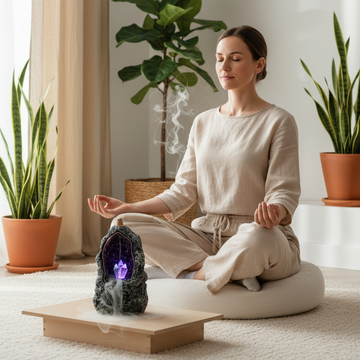

Meditation for Compassion Fatigue: A Recovery Practice for Caregivers and Helpers
If you are a caregiver, helper, therapist, teacher, or someone who holds a lot for other people, compassion fatigue can sneak up on you. You start feeling numb, impatient, or detached. You might feel guilty because you care, but you also feel empty.
Compassion fatigue is not selfishness. It is nervous system overload and emotional depletion. Meditation can help when it is focused on replenishing, not performing.
Direct Answer
For compassion fatigue, practice a 12-minute recovery meditation: ground the body, use gentle longer exhales, do a slow body scan, and finish with a boundary or replenishment action. The goal is nervous system recovery so your care does not cost you your health.
Key Takeaways
-
Compassion fatigue is overload, not lack of love
-
Body scans release tension you do not notice while helping
-
Longer exhales reduce urgency and bracing
-
Boundaries are part of recovery, not separate from it
Step by Step 12-Minute Compassion Fatigue Recovery
Minute 0 to 2 Permission to rest
Sit supported. Feel contact points.
Say quietly: I am allowed to recover.
Minute 2 to 5 Gentle longer exhales
Inhale normal.
Exhale slightly longer.
Do 10 breaths.
Soften jaw and shoulders.
Minute 5 to 10 Slow body scan
Scan areas that often hold caregiver stress
eyes
jaw
neck
shoulders
chest
belly
hands
Release by 5 percent each time you notice bracing.
Minute 10 to 12 Replenishment and boundary
Choose one replenishment action
drink water
eat a real meal
step outside
stretch gently
Choose one boundary action
take a break before responding
say no to one extra request
schedule a rest block
Then do one of them immediately.
A Tiny Practice During the Workday
When you feel drained
feel feet
one longer exhale
drop shoulders
say quietly: I can do one thing at a time
This keeps you from running on empty.
Troubleshooting
If you feel guilty resting
Rest protects your ability to care. Guilt is a habit, not truth.
If you feel numb
Stay with contact points. Numbness can be protective. Keep it gentle.
If you feel angry
Name it once. Anger can signal boundary needs.
If fatigue is severe
Consider professional support and workload changes. Meditation helps, but structural change matters too.
A Comfort Tip for Daily Recovery
When you are depleted, discomfort makes it harder to practice. A supportive seat helps you settle quickly and get real recovery time.
If you want a supportive floor sitting option for recovery practice, you can check ZenSoulLab’s Unity meditation cushion here:
https://zensoullab.com/products/zensoullab-unity-meditation-cushion-with-3d-resilient-support
More guidance: https://zensoullab.com/
FAQ
What is compassion fatigue
It is emotional and nervous system depletion from prolonged caregiving and empathy load.
Can meditation prevent compassion fatigue
It can support recovery and awareness, but boundaries, workload, and rest are also essential.
How often should I do this
3 to 5 times a week, or daily during intense seasons.
What if I only have 2 minutes
Do feet grounding and 6 gentle longer exhales. That counts.