
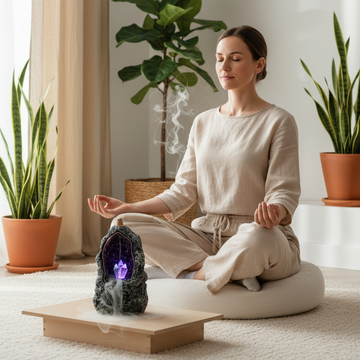

Introduction: Legs falling asleep during meditation isn’t “normal”—it’s a signal you can work with
If you’ve ever settled into a quiet mindfulness practice, started to feel your breath soften… and then suddenly your foot goes numb or your leg starts buzzing with pins and needles, you’re not alone. It’s one of the most common experiences I hear about in meditation circles—especially if you’re sitting cross legged or trying to “push through” because you think discomfort is part of the deal.
Here’s the grounded truth: legs falling asleep during meditation is not a badge of honor. It’s usually a practical issue—pressure, angle, circulation, or nerve compression—and it’s very fixable. And while a little sensation can happen in stillness, ongoing meditation numbness or sharp pins and needles sitting cross legged is your body asking for an adjustment, not a lecture.
In this guide, we’ll cover why it happens, how it connects to stress response patterns in the nervous system, and a simple 5-minute fix you can use today. We’ll also go deep on meditation posture, comfortable seat setup, and how to protect your knees—because knee pain meditation is another clue that your alignment needs support.
The science/why: Nervous system, circulation while meditating, and the stress response that makes you hold
Let’s make this practical and science-based without turning it into a medical textbook.
That numb, prickly “my leg is asleep” feeling usually comes from reduced blood flow or temporary nerve compression. In seated meditation—especially on the floor—certain positions can press on nerves or restrict circulation around the ankles, knees, hips, or the back of the thigh. When you stand up, the blood rushes back in and you get the familiar pins-and-needles flare.
But there’s another layer: your nervous system. When you’re stressed, your body tends to brace. Even when you sit “still,” you may subtly clench your glutes, lock your knees, grip your toes, or hold your breath. That’s your stress response doing what it does—trying to protect you. Over time, chronic stress can keep cortisol elevated and increase baseline muscle tension, which makes it easier to compress nerves and harder for your body to settle into a truly supportive posture.
This is why meditation is such a powerful way to reduce stress and support anxiety relief—but also why it sometimes surfaces discomfort at first. Your body is learning a new pattern: “I can be here without bracing.” When you pair good setup with gentle breathwork techniques, you create the conditions for real ease.
And yes, the mental health benefits matter here too. When your body feels safe and supported, you’re more likely to stay with your practice long enough to experience the downstream effects: better sleep, steadier mood, and a calmer relationship with your thoughts.
Key takeaway: Legs falling asleep during meditation is usually mechanical (pressure + angle), amplified by stress-based tension. Fix the setup, soften the body, and your meditation becomes more sustainable.
The how-to (deep dive): The 5-minute fix for meditation numbness (plus posture upgrades that actually last)
Use the steps below in order. Think of this as a quick diagnostic: you’re changing one variable at a time so you can feel what truly helps.
Step 1: Re-set your base—elevate hips to change the knee-to-hip angle
For many people, the core issue is simple: hips are too low, knees are too high, and the body compensates by dumping weight into the legs and feet. That’s where pins and needles sitting cross legged often begins.
A good meditation posture usually starts with hips slightly higher than knees. That angle reduces strain in the knees and hips and makes it easier to keep the spine upright without gripping.
- If your knees float up: you likely need more height under your hips (or a different seat shape).
- If your ankles feel crushed: you may be tucking the feet too tightly under the thighs—widen your cross.
- If your low back rounds: you’re probably collapsing through the pelvis—height helps.
This is where “zafu height” (cushion height) becomes a real factor, not a fancy detail. The right height can instantly improve circulation while meditating because weight is distributed through the sit bones instead of the legs.
Step 2: Choose a leg position that supports circulation (not your ego)
Not everyone’s hips are built for full lotus, and that’s perfectly fine. The goal is not the “most advanced” pose—it’s a comfortable seat that allows you to stay present.
- Easy cross-legged (Sukhasana): Great baseline. Keep feet forward of the opposite shin rather than jammed in tight.
- Burmese position: Both shins on the floor, one in front of the other (less ankle compression for many).
- Seiza (kneeling): Excellent for some bodies, especially if cross-legged creates knee pain meditation.
- Chair sitting: A legitimate meditation posture—especially if numbness is frequent.
Two small tweaks that often fix meditation numbness fast:
- Widen your knees a few inches and let the thighs rest heavy—this reduces pressure downstream.
- Untuck your feet so ankles aren’t pinned beneath the thighs.
Step 3: Do a 90-second body scan + micro-movements before stillness
Many people try to “win” meditation by forcing stillness from second one. But your tissues and nerves love a warm start.
Before you commit to quiet, do a short body scan:
- Notice where you’re gripping (jaw, belly, glutes, toes).
- Gently rock side-to-side on your sit bones.
- Circle ankles or flex feet one at a time (small, slow).
- Lift and set down each knee a fraction (like testing the hinge).
This takes under two minutes and dramatically improves circulation while meditating. Then pause and feel the difference. This approach also builds interoception—the inner listening that deepens any mindfulness practice.
Step 4: Use breathwork techniques to downshift the stress response (so you stop bracing)
Even with perfect props, stress can sneak in and tighten the body. The simplest fix is to signal safety through the breath.
Try this for 1–3 minutes:
- Inhale gently through the nose for 4 counts.
- Exhale through the nose for 6–8 counts.
- Keep shoulders soft; let the belly move.
Longer exhalations cue the parasympathetic side of the nervous system, which can help lower the intensity of the stress response and support cortisol regulation over time. You’re not “breathing to fix yourself”—you’re breathing to let your body know it can unclench.
If you like support, this is an ideal moment for a short guided meditation: it keeps your attention steady while your posture settles.
Step 5: Make a smart mid-sit adjustment (without breaking your practice)
Sometimes a leg will still start to tingle. The key is to respond early—before numbness becomes intense.
- At the first signs of tingling: subtly shift weight back onto both sit bones evenly.
- Change the cross: swap which shin is in front.
- Extend one leg for 10–20 seconds (quietly), then return.
- Stand up slowly if you’ve lost sensation—safety first.
Adjustment is not failure. It’s skillful. Consistency comes from making meditation sustainable, not from white-knuckling discomfort.
Tool kit for a comfortable seat: Cushions, props, and setup that prevent legs falling asleep during meditation
You can do meditation anywhere—but if numbness keeps showing up, props aren’t “extra.” They’re a way of meeting your body where it is.
Here are supportive tools that directly impact meditation posture, zafu height, and knee comfort:
- Meditation cushion (zafu-style or ergonomic): Elevates hips, reduces knee strain, improves spinal stacking.
- Yoga blocks: Slide under knees or thighs for support so legs can release.
- Folded blanket: Softens pressure points under ankles/shins; can add small height.
- Bolster: Useful for seiza kneeling or supported sitting variations.
- Wall support: Light back support can reduce unconscious bracing.
If you want a cushion that helps you find a stable base without over-compressing the legs, an ergonomic shape can be a game changer. The ergonomic meditation cushion is designed to support pelvic tilt and encourage hips-above-knees alignment—often the missing piece when pins and needles sitting cross legged shows up quickly.
If you’re looking for balanced, resilient support that holds its shape over time (especially helpful when you’re building a daily routine and want consistent setup), the supportive meditation cushion can make it easier to maintain a comfortable seat without sinking, which can reduce uneven pressure and help circulation while meditating.
Quick setup check: When you sit, you should feel grounded through the sit bones, with knees supported (by gravity or props), and your feet/ankles free from sharp compression.
Common obstacles (FAQ style): Common questions about meditation numbness, knee pain, and circulation
Why do my legs fall asleep during meditation even when I’m “sitting correctly”?
“Correct” is often a picture, not a felt sense. You can look aligned and still be compressing a nerve at the ankle, outer shin, or behind the knee—especially if your hips are tight and your knees are elevated. Also, stress can make you subtly grip, which changes pressure patterns.
Try these targeted fixes:
- Add height under your hips (zafu height matters).
- Support your knees with blocks or a folded blanket.
- Reduce ankle compression by widening your cross.
- Use a short body scan to soften glutes and feet.
If numbness is frequent, intense, or lingers after standing, it’s wise to check in with a healthcare professional to rule out nerve or vascular issues. Meditation should support your mental health benefits—not create new worry.
Is pins and needles sitting cross legged dangerous, or should I push through it?
Occasional mild tingling that resolves quickly after shifting can be common. But pushing through strong pins and needles isn’t a meditation achievement—it’s ignoring a signal. If you stay numb too long, you risk stumbling when you stand or irritating a nerve.
A grounded approach:
- Respond early when tingling starts.
- Adjust quietly and return to your anchor (breath, sound, or a guided meditation).
- Choose sustainability so your practice builds consistency.
Stillness is a tool, not a rule. The deeper practice is learning to listen without judgment.
What if knee pain meditation shows up before numbness does?
Knee pain usually means the hips aren’t releasing enough for the knees to rest comfortably. When knees are forced upward or twisted, the joint can feel strained—especially in cross-legged positions.
Try this progression:
- Elevate the hips so knees drop lower.
- Support the knees (blocks/blanket) so they don’t hover.
- Switch to seiza or a chair for a period while hips open gradually.
- Shorten sit length and build up slowly in your daily routine.
Comfort supports consistency. And consistency is what delivers the long-term benefits—reduced stress, anxiety relief, and better sleep—far more than forcing a pose.
Comparison: Chair vs. cushion, and morning vs. night practice for better sleep and reduce stress
Different bodies—and different days—call for different approaches. Here are the most useful comparisons:
- Chair vs. cushion: A chair can be ideal if your legs fall asleep quickly or if knee pain meditation is present. Keep feet flat, knees at roughly 90 degrees, and sit toward the front edge. A cushion is great when you want a grounded floor practice and can comfortably elevate hips to protect circulation while meditating.
- Cross-legged vs. seiza: Cross-legged can be stable when hips are open and knees are supported. Seiza reduces ankle twisting for some but may need padding under shins/ankles. Both can be valid meditation posture options.
- Morning vs. night: Morning practice often supports a calmer baseline and helps reduce stress reactivity through the day. Night practice can be wonderful for anxiety relief and better sleep—especially with a body scan or gentle guided meditation to unwind the nervous system.
If your main goal is better sleep, consider a shorter evening sit (5–12 minutes) with a body scan and extended exhale. If your goal is emotional steadiness and mental health benefits, a consistent morning mindfulness practice—however brief—often creates a noticeable shift within a few weeks.
Conclusion: A sustainable mindfulness practice shouldn’t leave you numb—make it supportive and keep going
Legs falling asleep during meditation is common, but it’s not something you have to tolerate. Most of the time, it’s your body asking for better angles, better support, and less bracing. When you elevate your hips, choose a position that respects your anatomy, and use breathwork techniques to settle the stress response, the whole experience changes.
Your practice isn’t measured by how long you can sit perfectly still. It’s measured by how honestly you listen—and how kindly you respond. Start with the 5-minute fix, adjust early, and let comfort become part of your path. That’s how you build consistency, protect your knees, support circulation while meditating, and keep showing up for the deeper work: a steadier mind, real anxiety relief, and the kind of calm that carries into your daily routine and into better sleep.
Gentle reminder: The goal is not to override your body. The goal is to create conditions where your body trusts you enough to be still.
If you want, tell me how you’re currently sitting (cross-legged, kneeling, chair) and where the numbness starts (foot, calf, outer thigh). I’ll suggest a specific posture tweak.