
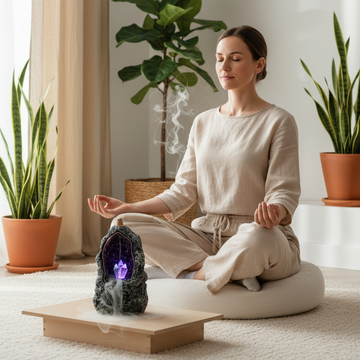

How to Use Your Meditation Cushion for More Than Meditation: Reading, Stretching, and Floor Sitting Comfort
A meditation cushion should not live in a closet waiting for perfect sessions. The more you use it in everyday life, the more it becomes a cue for calm. It can support reading, journaling, stretching, and comfortable floor sitting. It can also help you spend less time on the couch slumped into screens.
This guide shows practical ways to use a cushion so it supports your lifestyle, not just your meditation.
Direct Answer
Use a meditation cushion daily for floor sitting comfort by elevating hips above knees, supporting a neutral pelvis, and reducing posture collapse. You can use it for reading, journaling, stretching support, and quick resets between tasks. The more often you sit comfortably on the floor, the easier meditation becomes.
Key Takeaways
-
Daily use builds a calm habit cue
-
Hip elevation supports neutral pelvis and reduces slouching
-
Cushions can support gentle stretching and seated work
-
Comfort reduces screen slumping and improves posture consistency
Floor Sitting Basics
The most important rule is hips slightly above knees. When you sit too low, your pelvis tucks and you slouch. When you sit with stable height, your spine can stack with less effort.
Practical Ways to Use a Cushion Daily
Use 1 Reading corner
Place cushion on the floor near a wall.
Sit with hips elevated and back lightly supported.
Keep knees comfortable with a wide leg position.
This turns reading into a calm ritual without effort.
Use 2 Journaling and planning
Sit on the cushion for 10 minutes and journal one page.
Use the cushion as a cue for focus: when you sit here, you write.
Use 3 Stretch support
Use cushion under hips for seated forward folds so you do not collapse.
Use cushion under knees for gentle supported positions.
The goal is support, not intensity.
Use 4 Quick nervous system reset
When stressed, sit for 3 minutes.
Feet or legs grounded.
6 gentle longer exhales.
Jaw and shoulders soften.
Stand up calmer.
Use 5 Screen break
Instead of scrolling on the couch, sit on the cushion for 6 minutes and do nothing except feel contact points. This interrupts the stimulation loop.
How to Set It Up So You Actually Use It
Keep the cushion visible.
Put it where you naturally pause: near coffee, near a window, near your reading space.
Visibility increases follow through more than motivation.
Troubleshooting
If your hips feel tight
Use a wider position and do not force deep cross leg folding. Keep it easy.
If your knees hurt
Try chair sitting or a different leg position. Comfort first.
If you keep slouching
You may be sitting too low or the seat is collapsing. Increase support and check hip height.
If you forget to use it
Attach it to a habit: morning coffee, evening wind down, or a short post work reset.
One Product Option to Support Daily Floor Sitting
If you want a stable supportive cushion designed for grounded posture and everyday floor sitting comfort, you can check ZenSoulLab’s T-shaped ergonomic cushion here:
https://zensoullab.com/products/zensoullab-t-shaped-ergonomic-meditation-cushion-with-buckwheat-hull-filling
More guidance: https://zensoullab.com/
FAQ
Can I use a meditation cushion as a floor seat
Yes. Many people use it for reading, journaling, and relaxing because hip elevation improves comfort.
Will it help my posture
It can support a more neutral pelvis and reduce slouching when used correctly. Comfort and consistency matter.
How long should I sit on the floor
Start with 10 minutes. Build gradually. Add micro resets if legs feel numb.
Does using it daily help meditation
Yes. It reduces friction and turns the cushion into a calm cue you associate with slowing down.