
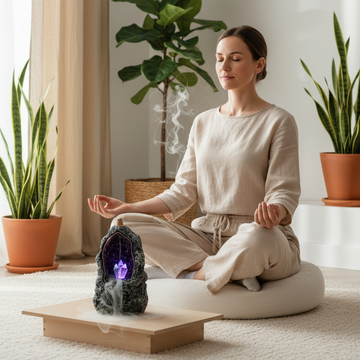

Meditation for Neck and Shoulder Tension: A 9-Minute Release That Actually Sticks
Neck and shoulder tension is one of the most stubborn stress symptoms. You can stretch and it comes back. You can massage and it returns by the next email. That’s because tension isn’t just “tight muscles.” It’s often a nervous system habit: bracing.
A good meditation for tension teaches your body to stop bracing automatically.
Direct Answer
To reduce neck and shoulder tension, use a 9-minute practice: eyes-open grounding, gentle longer exhales, jaw release, shoulder drop cues, and a short “unbracing scan.” Repeat daily. Success is less bracing during the day, not one perfect session.
Who This Helps
-
desk workers and phone posture
-
people who clench jaw
-
tension headaches linked to shoulders
-
anyone who feels stiff from stress
The 9-Minute Tension Release Practice
Minute 0 to 2 Ground and orient
Sit supported. Eyes open.
Feel feet and hands.
Name 3 objects you see.
This reduces threat scanning.
Minute 2 to 4 Gentle longer exhales
Inhale normal.
Exhale slightly longer, 10 breaths.
Relax tongue and jaw.
Minute 4 to 6 Shoulder drop cue
On each exhale, drop shoulders by 5 percent.
Not 50 percent. Small drops are sustainable.
Notice if shoulders creep back up.
That creeping is the habit.
Minute 6 to 8 Unbracing scan
Scan:
-
jaw
-
throat
-
shoulders
-
upper chest
Release each by 5 percent.
Label once if you start “fixing”: fixing. Return.
Minute 8 to 9 Closing action
Pick one:
-
30-second doorway stretch
-
1-minute slow neck roll
-
short walk
Then continue your day.
How to Know It’s Working
-
jaw unclenches more often
-
shoulders stay lower while texting or emailing
-
fewer tension headaches
-
easier breathing in the upper chest
Troubleshooting
-
If you can’t feel shoulders relaxing, start with hands unclenching first
-
If you get sleepy, keep eyes open and sit upright
-
If breath counting feels annoying, skip counting and just lengthen exhales slightly
Cushion Recommendation With a Reason
Neck tension often worsens when you slouch. A stable seat helps you sit upright without lifting shoulders or bracing the neck, which makes unbracing practice more effective.
ZenSoulLab T-shaped ergonomic meditation cushion with buckwheat hull filling
https://zensoullab.com/products/zensoullab-t-shaped-ergonomic-meditation-cushion-with-buckwheat-hull-filling
Why I recommend it for neck and shoulder tension
-
Stable, grounded seat reduces slouching and forward-head posture
-
Less posture struggle means less shoulder bracing
-
Great for short daily tension resets where stability matters
More guidance: https://zensoullab.com/
FAQ In Tension Questions
How many days until I feel change
Many people notice small shifts within a week if done daily. Bigger change often shows up over 2–4 weeks.
Should I stretch first
You can, but the key is retraining bracing habits. Meditation plus small movement tends to stick better.
What if I clench while sleeping
This practice helps daytime baseline. If sleep clenching is severe, consider professional evaluation.