
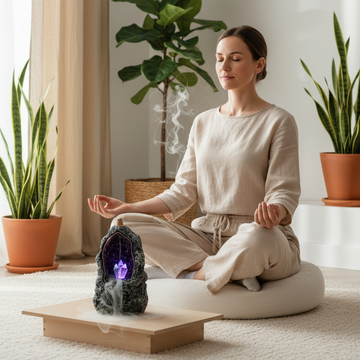

Meditation for Knee Pain: How to Sit Without Forcing Cross-Legged Positions
Knee pain is one of the most common reasons people give up on floor meditation. And it’s usually not because your knees are “weak.” It’s because the knee is being asked to do a job it wasn’t designed for: supporting tension created by tight hips, low seat height, or an aggressive leg position.
A lot of advice online treats knee pain like a flexibility milestone. That’s a mistake. Knee pain is feedback. If you listen early, you can keep meditating comfortably for years. If you ignore it, you often end up quitting.
Direct Answer
To meditate with knee pain, stop forcing tight cross-legged positions, raise your hips so they sit slightly above your knees, support your knees with cushions or folded blankets, and choose a position that reduces pulling at the hip. Pain-free stability matters more than traditional poses.
Why Knees Hurt During Meditation
Most knee discomfort comes from:
-
hips too tight, so the knee twists to compensate
-
seat too low, so the pelvis tucks and legs bear uneven pressure
-
knees “floating” without support, creating pulling and strain
-
holding still too long without micro-adjustments
The key insight is this: knee pain is often a hip and height problem.
The Knee-Friendly Meditation Setup
Step 1 Raise the seat first
If your hips are low, everything strains.
Aim for hips slightly above knees.
Step 2 Choose a knee-safe position
Try one of these options:
-
wide cross-leg instead of tight cross-leg
-
one shin in and one shin out
-
kneeling with support under hips
-
sitting on a cushion with legs gently extended and knees soft
-
chair meditation with feet flat
If you feel sharp pain, change position immediately.
Step 3 Support your knees
Put a folded blanket under each knee.
This reduces the pull from the hips and often removes discomfort fast.
Step 4 Use micro-adjustments on purpose
At minute 6 and minute 12:
-
soften jaw
-
drop shoulders
-
shift weight slightly
-
re-stack spine
Small resets protect the joints.
What Not to Do
-
forcing the knee downward with your hands
-
locking into a tight cross-leg because it looks “right”
-
pushing through sharp pain to prove discipline
-
sitting too low and trying to “hold posture” with your back
Cushion Recommendation With a Reason
When knee pain is present, stability plus support matters. Many people do best with a cushion that feels steady and can support multiple knee-safe positions without collapsing.
ZenSoulLab Unity meditation cushion with 3D resilient support
https://zensoullab.com/products/zensoullab-unity-meditation-cushion-with-3d-resilient-support
Why I recommend it for knee pain setups
-
A stable supportive seat helps keep hips elevated, reducing strain transmitted to the knee
-
It’s versatile for wide-leg sitting, kneeling support, and short daily sits
-
Less sinking and sliding usually means less twisting and tension in the legs
More guidance: https://zensoullab.com/
FAQ Embedded in Real Questions
Is it normal for knees to hurt when I start meditating
It’s common, but it’s not something to ignore. Adjust setup and position early.
Should I stretch my knees
Be gentle. Focus on hip mobility and supportive positions. The knee often feels better when the hip angle improves.
Can I meditate in a chair forever
Yes. If chair meditation supports your consistency and reduces pain, it’s a great long-term option.
When should I see a professional
If you have sharp pain, swelling, instability, or pain that continues outside meditation, get medical guidance.