
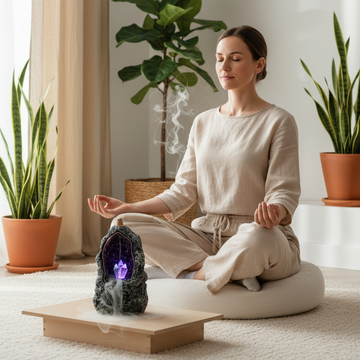

Meditation for Intrusive Thoughts: How to Respond Without Getting Hooked
Intrusive thoughts can be shocking. They can show up as scary images, unwanted phrases, or “what if I do something bad” thoughts. The worst part is the fear response: you try to push the thought away, you analyze what it means, you check if you’re a bad person, and the thought gets stronger.
The goal isn’t to “get rid of the thought.” The goal is to change your relationship with it so it loses power.
Direct Answer
For intrusive thoughts, use a 10-minute practice: grounding contact points, gentle longer exhales, label the thought as “intrusive,” avoid analyzing meaning, and return to a neutral anchor. Track progress by reduced checking and faster disengagement. If intrusive thoughts include urges to self-harm or harm others, seek professional help immediately.
Safety Note
If you feel unsafe or have urges to harm yourself or someone else, contact emergency services or a mental health professional right away.
Who This Helps
-
unwanted scary thoughts
-
anxiety-driven mental checking
-
OCD-style rumination
-
fear of “what does this mean about me”
The 10-Minute Intrusive Thought Practice
Minute 0 to 2 Ground and orient
Sit supported. Eyes open.
Feel feet and hands.
Name 3 objects you see.
Phrase: A thought is not a command.
Minute 2 to 5 Gentle longer exhales
Inhale normal.
Exhale slightly longer, 10 breaths.
Relax jaw and belly.
Minute 5 to 8 Label and return
When the intrusive thought appears:
-
label: intrusive
-
label: story
Return to hands.
No analysis. No reassurance checking.
Just return.
Minute 8 to 10 Response training
Practice one sentence:
-
Thanks mind, not today
-
That’s an intrusive thought
Then return to contact points.
How to Know It’s Working
-
you stop debating what it means
-
the thought feels less sticky
-
you check less
-
your body softens sooner
Troubleshooting
-
If you feel pulled into analysis, widen attention to include sound and room objects
-
If breath focus increases fear, do grounding only
-
If intrusive thoughts are frequent and distressing, consider therapy, especially CBT/ERP approaches
Cushion Recommendation With a Reason
Intrusive thought loops are harder to interrupt when you’re physically restless. A stable seat helps you stay grounded and makes the “label and return” reps more doable.
ZenSoulLab T-shaped ergonomic meditation cushion with buckwheat hull filling
https://zensoullab.com/products/zensoullab-t-shaped-ergonomic-meditation-cushion-with-buckwheat-hull-filling
Why I recommend it for intrusive thought practice
-
Grounded support reduces fidgeting and helps you stay with contact points
-
Stable posture supports calmer breathing and less bracing
-
Great for repeated short sessions, which is how “label and return” gets trained
More guidance: https://zensoullab.com/
FAQ In Intrusive Thought Questions
Do intrusive thoughts mean I want to do them
Usually no. Intrusive thoughts are common and often opposite of your values.
Should I reassure myself it’s not true
Too much reassurance can strengthen the loop. Label and return works better.
How long until it improves
Many people notice improvement with consistent practice and reduced checking. If it’s severe, professional support helps.