
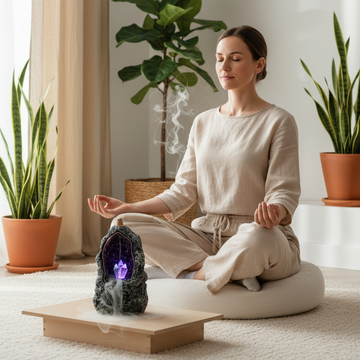

Meditation for High Blood Pressure Stress: A Calm Routine to Reduce Reactivity
High blood pressure has many causes, and medication and medical guidance matter. But stress reactivity is a real contributor for many people: the body gets triggered, the system ramps up, and you feel tense and wired. Meditation doesn’t replace medical care, but it can be a useful tool for reducing the nervous system spikes that keep your body on edge.
This is a calm routine focused on lowering reactivity, not chasing a number in the moment.
Direct Answer
If you have high blood pressure and stress reactivity, use a 10-minute routine with gentle longer exhales, body relaxation, and a simple attention anchor. Avoid intense breath holds and avoid straining. Use this as a daily practice to reduce reactivity over time, not as an emergency treatment.
Safety Notes
-
Continue medical treatment and follow clinician guidance
-
If you feel chest pain, severe headache, confusion, or severe shortness of breath, seek medical care
-
Avoid forceful breathing or long breath holds that make you strain
The 10-Minute Stress Reactivity Routine
Minute 0 to 2 Settle the body
Sit supported. Feet grounded. Eyes soft.
Phrase: I can soften my system.
Minute 2 to 5 Gentle longer exhales
Inhale normal.
Exhale slightly longer, 10 breaths.
Keep shoulders relaxed and jaw soft.
Minute 5 to 8 Body scan release
Scan: forehead, jaw, throat, shoulders, belly, hips.
Release each by 5 percent.
If thoughts surge, label: stress. Return.
Minute 8 to 10 Attention anchor
Choose one anchor:
-
hands on thighs
-
feet on floor
-
sound in the room
Stay with it. When distracted, return.
What to Track for Real Progress
Instead of chasing numbers during practice, track:
-
fewer spikes of anger or urgency
-
faster recovery after stress
-
improved sleep quality
-
more consistent daily routine
Those are realistic indicators that the nervous system is less reactive.
Troubleshooting
-
If focusing on breath increases anxiety, anchor on hands and feet only
-
If you get sleepy, keep eyes open and sit more upright
-
If you feel strain, shorten the practice to 5 minutes and keep it gentle
Cushion Recommendation With a Reason
A stable seat reduces posture strain. When your body feels supported, it’s easier to relax muscles and reduce bracing, which supports calmer nervous system response.
ZenSoulLab Unity meditation cushion with 3D resilient support
https://zensoullab.com/products/zensoullab-unity-meditation-cushion-with-3d-resilient-support
Why I recommend it for stress reactivity
-
Stable support helps you relax without slouching or bracing
-
Reduces posture fatigue during 10-minute daily sits
-
Works well for consistent practice, which is where long-term benefit comes from
More guidance: https://zensoullab.com/
FAQ In Blood Pressure Questions
Can meditation replace medication
No. It can support stress regulation, but it does not replace medical treatment.
How often should I do this
Daily is best. Even 5 minutes per day can help reactivity over time.
Should I do intense breathing
No. Keep breathing gentle. Avoid strong breath holds and straining.