
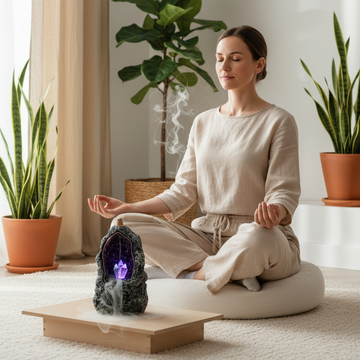

Meditation for ADHD Minds: A Practical Approach That Uses Structure Instead of Forcing Stillness
If you have an ADHD-style mind, traditional meditation advice can feel unrealistic. “Just focus on your breath” turns into a battle. You get distracted, then you feel like you failed, then you quit. That’s a pattern, not a personal flaw.
ADHD-friendly meditation is less about perfect focus and more about structure: shorter time, clear cues, and permission to return a thousand times.
Direct Answer
For ADHD minds, meditation works best with a structured 6-minute routine: a single anchor, timed segments, optional gentle movement first, and a clear success metric based on “returns,” not calm. Use repetition and structure to reduce friction.
The 6-Minute ADHD-Friendly Routine
Minute 0 to 1 Movement optional
If you feel restless:
-
shoulder rolls
-
slow sway
-
one short walk
Then sit down.
Minute 1 to 3 Anchor + counting
Pick one anchor:
-
hands on thighs
-
feet on floor
-
breath at nostrils
Count exhalations 1 to 10.
When you lose count, restart at 1. That restart is the rep.
Minute 3 to 5 Label the distraction type
When distracted, label once:
-
planning
-
scrolling urge
-
replaying
-
boredom
Return to anchor. No story.
Minute 5 to 6 Close with one next action
Choose one next action for 10 minutes:
-
one email
-
one dish load
-
one short walk
Start immediately.
This prevents the post-meditation “drift.”
The Best Success Metric for ADHD Meditation
Not calm. Not blank mind.
Success is:
-
you noticed distraction
-
you returned
Count returns as reps.
If you returned 30 times, you trained 30 reps.
Troubleshooting
-
If sitting feels impossible, do standing grounding for 3 minutes
-
If breath focus triggers frustration, use hands or feet as anchor
-
If you get sleepy, keep eyes open and sit more upright
-
If time feels too long, do 3 minutes daily for a week, then increase
Cushion Recommendation With a Reason
ADHD minds tend to fidget more. A stable seat reduces physical distractions, which makes the structured routine easier to complete consistently.
ZenSoulLab Unity meditation cushion with 3D resilient support
https://zensoullab.com/products/zensoullab-unity-meditation-cushion-with-3d-resilient-support
Why I recommend it for ADHD-friendly practice
-
Stable support reduces fidgeting and posture collapse
-
It’s great for short structured sessions, which is the ADHD sweet spot
-
Consistent seat setup reduces daily decision fatigue and increases repeatability
More guidance: https://zensoullab.com/
FAQ In ADHD Questions
Is meditation even helpful for ADHD
Many people find it helps with emotional regulation and awareness, especially when structured and short. It’s not about “fixing” ADHD, it’s a support tool.
Should I meditate longer to get better
Not at first. Short consistent practice is more effective than long inconsistent practice.
What if I get bored
Boredom is a sensation. Label it once and return. Keep sessions short so you don’t burn out.